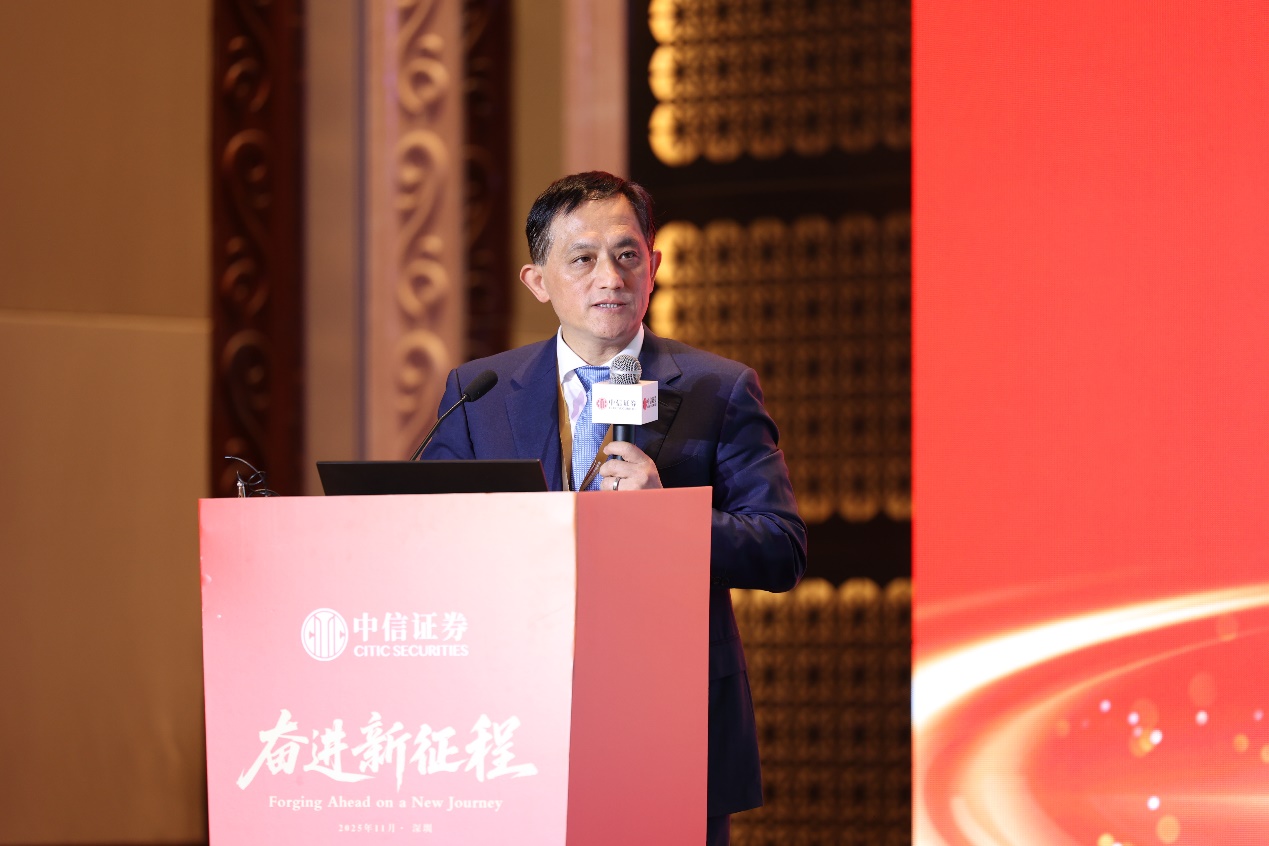
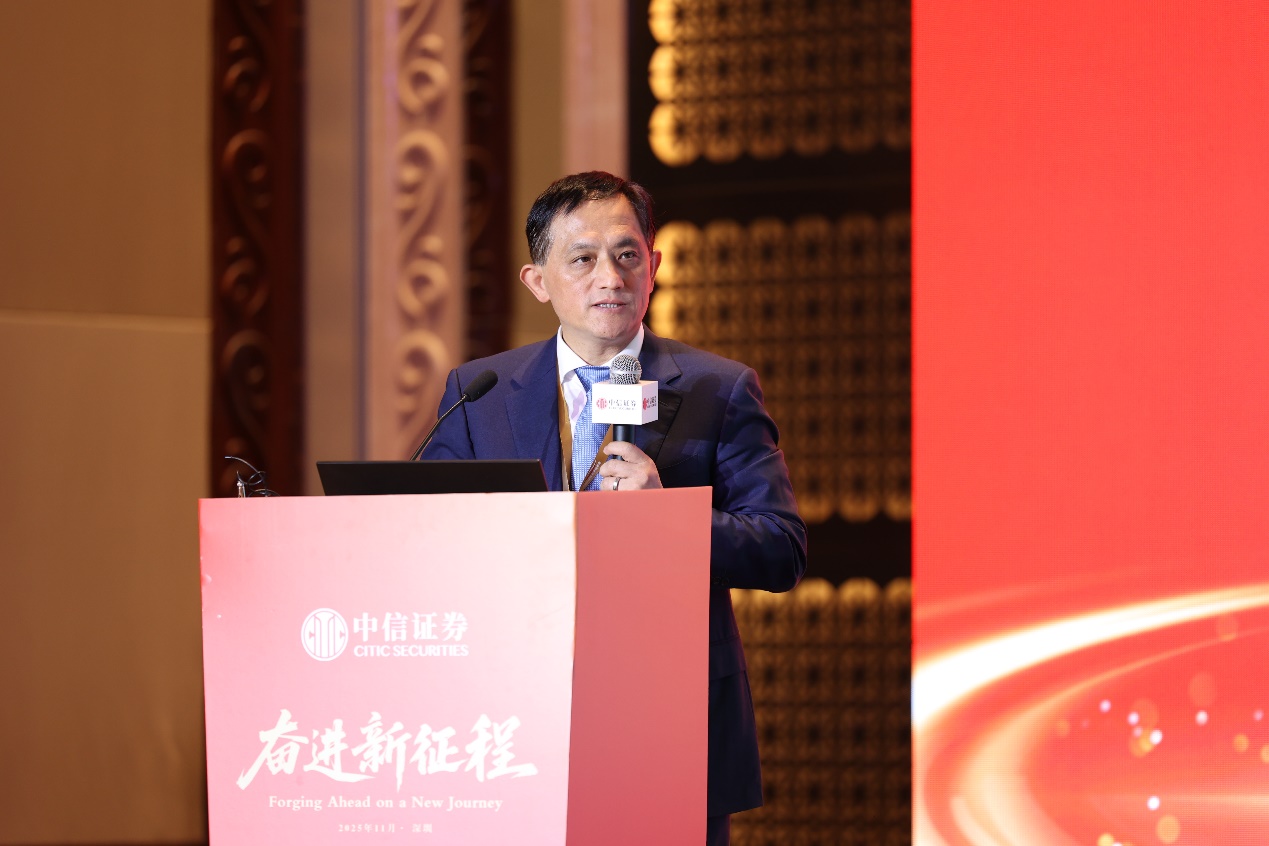
On November 12th, Dr. Dai Xiang, Chairman of EnPower, was invited to attend the CITIC Securities 2026 Capital Market Annual Meeting, where he delivered a speech entitled "..."The Industrialization Path of All-Solid-State Batteries and EnPower's PracticeThe keynote report unveiled the mystery of the industrialization path of all-solid-state batteries, and comprehensively showcased EnPower's exploration and practice in the wave of solid-state battery transformation, focusing on the company's strategic layout, technological breakthroughs and ecosystem construction.
Origin of Passion: Why Climb the "Mount Everest" of Lithium Batteries—Solid-State Batteries?
"The near-future battery application market is huge, but existing battery technology urgently needs breakthroughs," Dai Xiang stated clearly, pointing out the industry's pain points. Higher energy density, greater safety, faster charging, wider temperature range, and lower cost—these five demands stand like five mountains blocking the path of lithium battery evolution.
Solid-state batteries are the ideal solution to these bottlenecks. They are hailed as the "holy grail" of lithium batteries, and in the future, they can achieve high energy density of over 500Wh/kg, fast charging performance of less than 10 minutes, a wide operating temperature range of -40℃ to 270℃, and a cycle life of over 2000 cycles, which are the breakthroughs that the solid-state battery industry has been dreaming of.
Long-termism: An Industrial Wave Driven by Global Policy
Dr. Dai Xiang outlined the global policy landscape for solid-state batteries, presenting a magnificent picture of the industry: Japan plans to achieve full commercialization of all-solid-state batteries around 2030; South Korea has invested 430 billion won to support the research and development of all-solid-state batteries.
China is making every effort to promote this: in 2024, it invested about 6 billion yuan in the research and development of all-solid-state batteries and set a clear timetable - to achieve the application of all-solid-state batteries in 1,000 vehicles by 2027, to achieve small-scale application by 2030, and to launch large-scale global promotion by 2035.
"Driven by industry trends and policy incentives, a large number of companies have joined the solid-state battery field," said Dr. Dai Xiang. "But this is not only a technological race, but also a marathon that requires long-term investment."
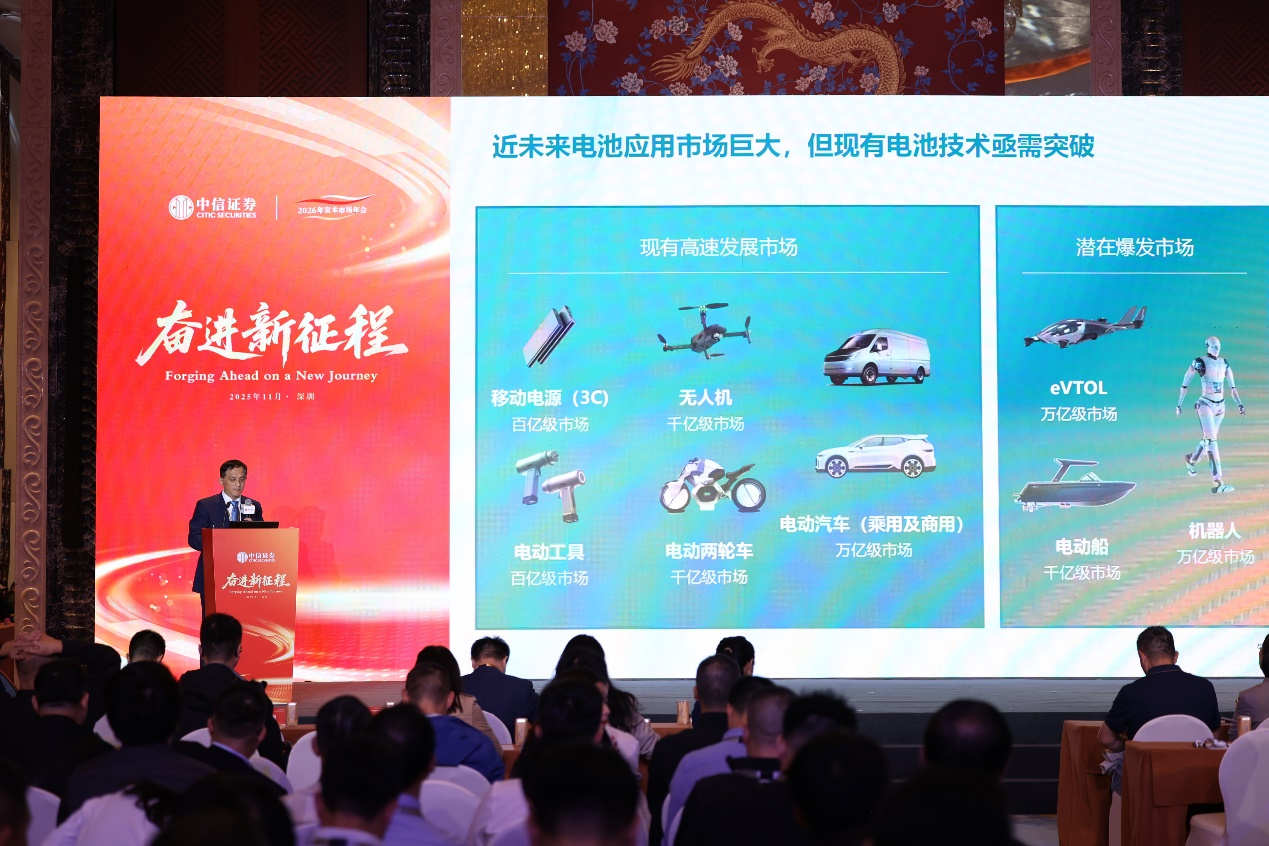
Technology Route Selection: Eight Years of Dedication to the Sulfide Path
Among numerous technological approaches, EnPower has firmly chosen the sulfide all-solid-state route, and has been deeply involved in it for eight years, achieving industry-leading independent R&D capabilities. The sulfide route has comprehensive advantages such as high ionic conductivity (>10-3 S/cm), ease of processing, and good thermal stability, making it the preferred technology route for global automakers and battery manufacturers.
Dr. Dai Xiang elaborated on EnPower's technological breakthroughs: the establishment of an all-solid-state battery R&D platform, the development of high-performance, mass-producible key materials, and all-solid-state cell design. They have achieved dry-process cathode technology, composite electrode preparation, and substantial breakthroughs in cell performance. Particularly noteworthy is their achievement in overcoming the core challenge of the solid-solid interface, where EnPower has utilized controllable particle size and self-filling technology to achieve uniformity of the solid-state interface, a feat fully validated at the cell level.
Industrialization Process: The Long March from Laboratory to Market
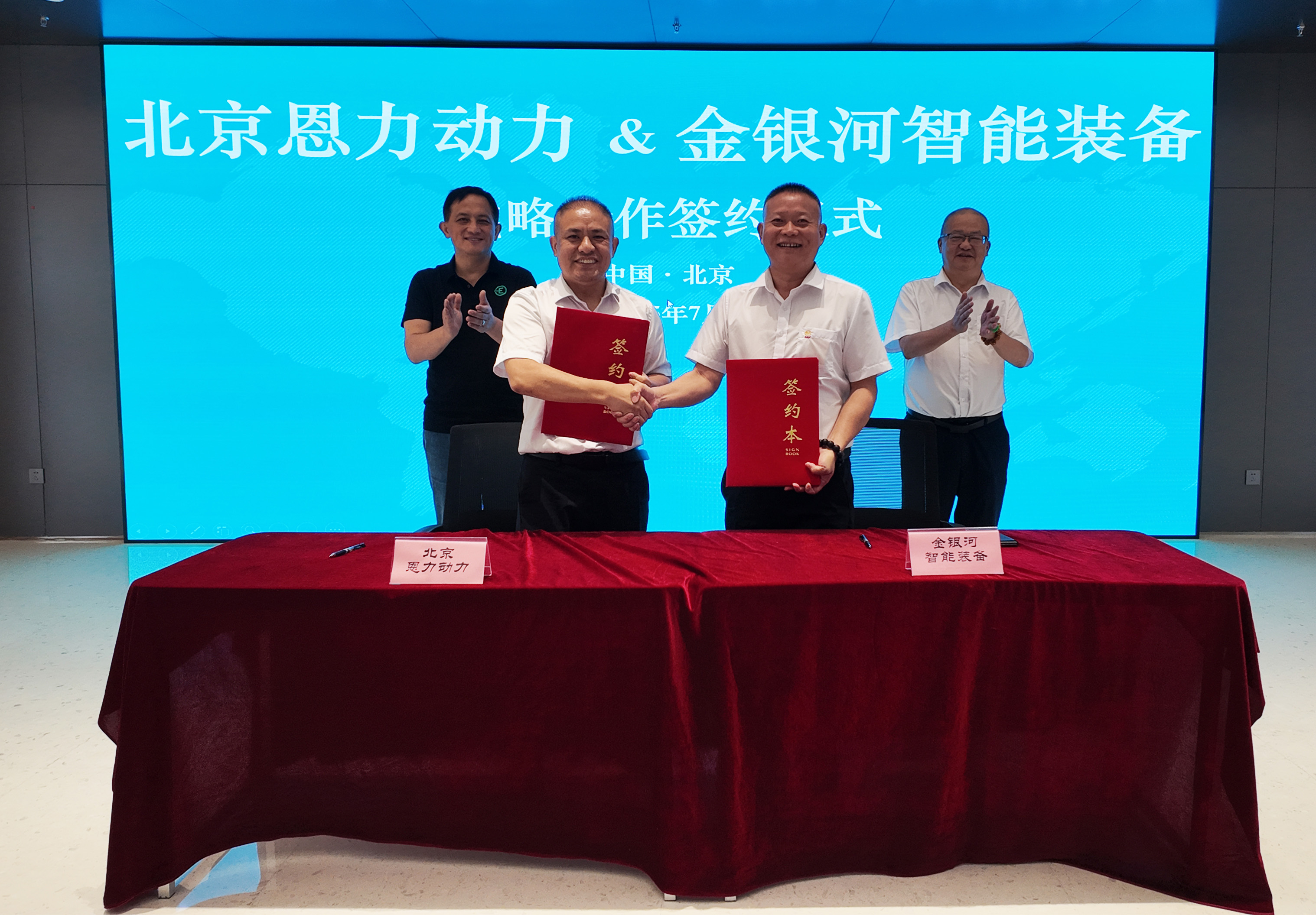
EnPower's R&D journey is a model of long-termism: from early collaborations with the Tokyo Institute of Technology's Ryoji Sugano Laboratory to obtaining patent licenses for superionic conductor materials and solid-state batteries; from joint development cooperation with SoftBank Group to the successful development of Ah-level lithium metal all-solid-state pouch batteries. Dr. Dai Xiang showcased a series of technological achievements of EnPower.
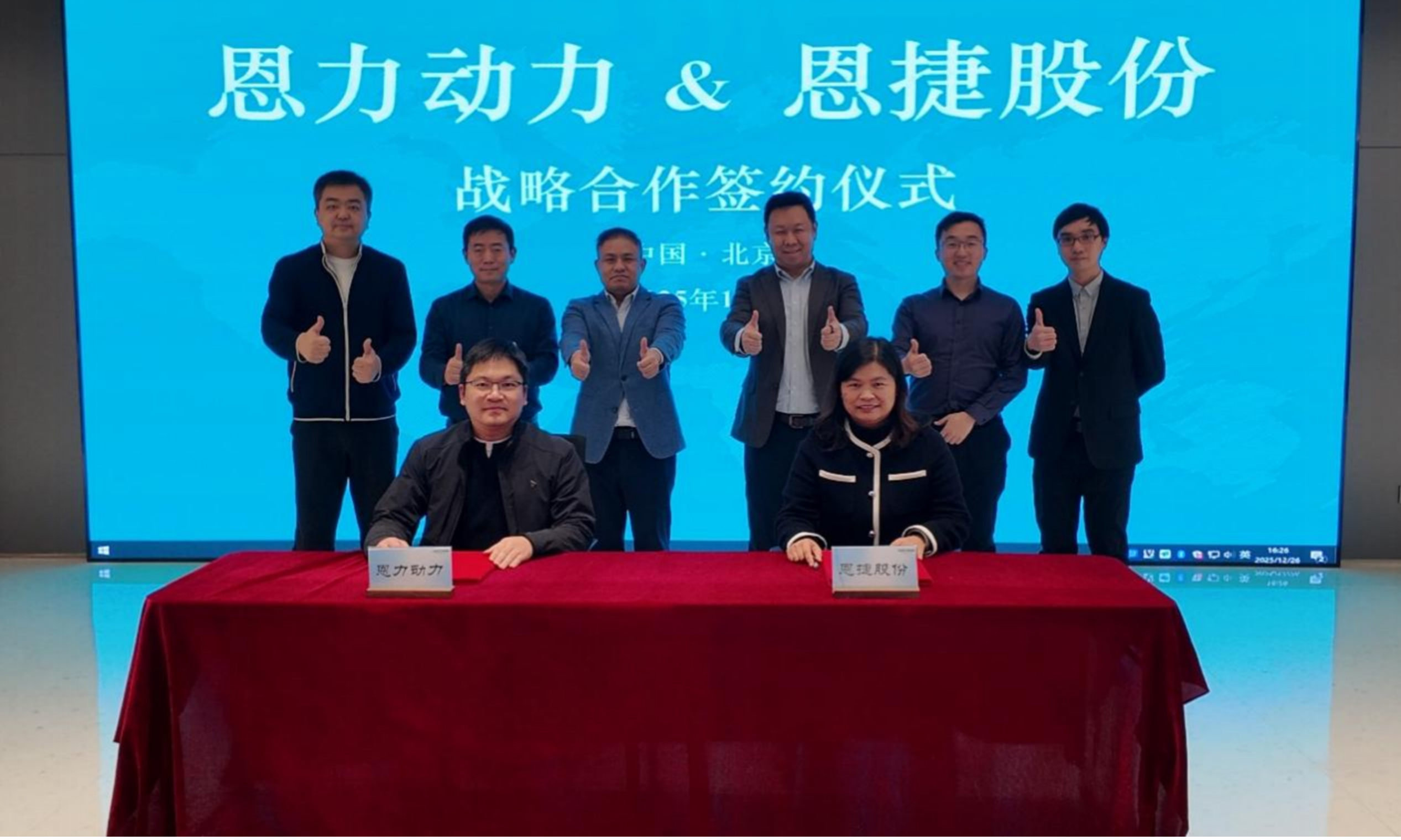
Enpower has outlined a clear industrialization path: starting with non-automotive applications such as drones, electric motorcycles, and robots by 2025, and gradually progressing to its plan to deploy all-solid-state batteries in vehicles from 2027 to 2030. Currently, EnPower has become one of the world's top three suppliers of low-altitude economic battery cells and has reached GWh supply agreements with several leading customers.
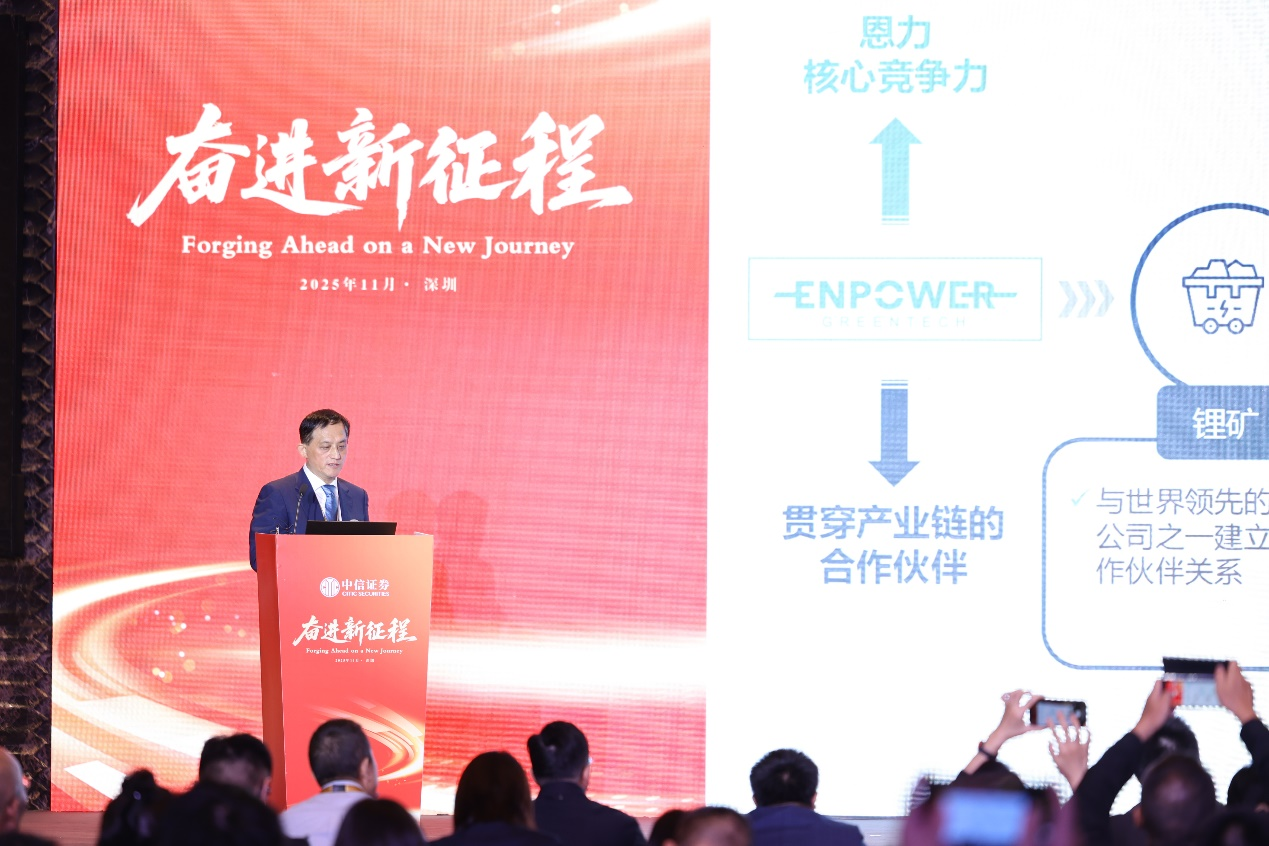
Production capacity layout: preparing for large-scale industrial application
Dr. Dai Xiang revealed that EnPower has already completed the Daxing base (0.3GWh) and the Anhui base (2GWh), and the Nanjing all-solid-state battery and materials manufacturing base and the Wuxi solid-state battery pack base are also under construction. This production capacity layout is fully prepared for the market boom from 2027 to 2030. EnPower plans to achieve a production capacity of more than 10GWh by 2030, empowering the global solid-state battery industry chain.
Long-termism: China's answer in the era of solid-state batteries
Eight years ago, when most people were still hesitant about solid-state batteries, EnPower chose this difficult path; eight years later, as the industry has entered a boom period, EnPower has established a complete technology system and industrialization capabilities. "Solid-state batteries are not just a technological iteration, but a redefinition of energy utilization," Dr. Dai Xiang stated at the end of his speech. "This requires a long-term commitment and pragmatic commercialization. We believe that through continuous innovation and industrial collaboration, China is poised to occupy an important position in the global solid-state battery industry." On the stage of the CITIC Securities Capital Annual Meeting, Dr. Dai Xiang's speech not only showcased technological strength but also conveyed an industrial spirit—in an era where the pursuit of short-term returns is prevalent, there are still companies willing to uphold long-term value. This commitment may be the key to China's new energy industry moving from catching up to leading the way.