HAPS & Satellite
Enquiry
Enpower utilizes advanced solid-state battery technology to deliver enhanced fast-charging, higher energy density, and extended cycle life for lithium batteries, providing reliable power for equipment such as high-altitude stratospheric drones and commercial aerospace vehicles.
Fleet batteries
Fleet series batteries utilize lithium metal battery technology, maintaining stable power output even in the extremely cold and high-radiation stratospheric environment of -60°C. They can provide energy for platforms such as pseudo-satellites and high-altitude drones for weeks or even months, making them a key energy carrier for realizing "never-landing" airborne base stations.
Download PDF


Adaptability to extreme environments


It maintains more than 80% of its capacity output even at a low temperature of -70℃, meeting the needs of long-term operation in the stratosphere.


Leading in energy density


With a cell energy density exceeding 500Wh/kg, the aircraft can achieve extreme lightweighting and long-endurance missions.


Long cycle life


It still has a long cycle life under extreme operating conditions, significantly reducing the total life cycle operating cost.


High Safety


Through extreme tests such as nail penetration and high-temperature thermal abuse, it achieves aviation-grade safety standards of "only emitting smoke, not catching fire".

Applications
High-altitude pseudo-satellites (HAPS)
low-orbit satellites
Stratospheric drones
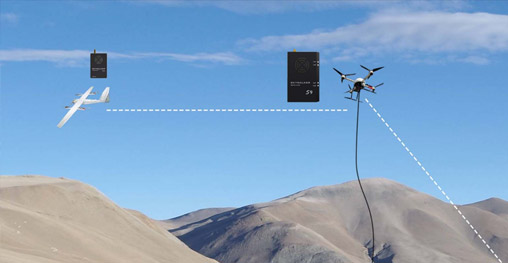
Emergency Communication Relay Platform
Typical Case
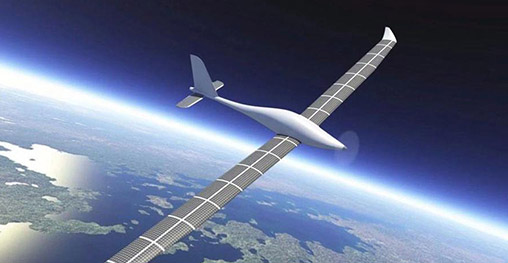
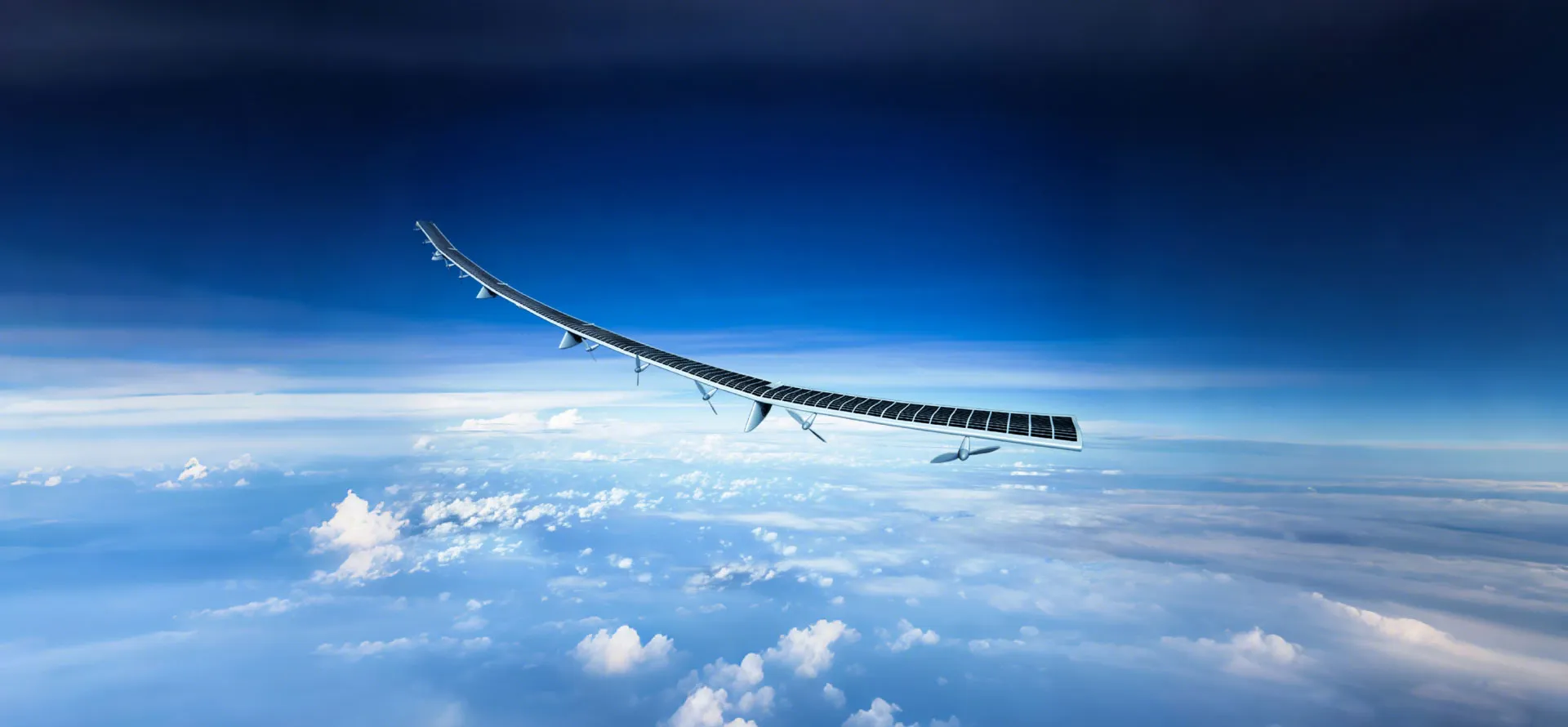
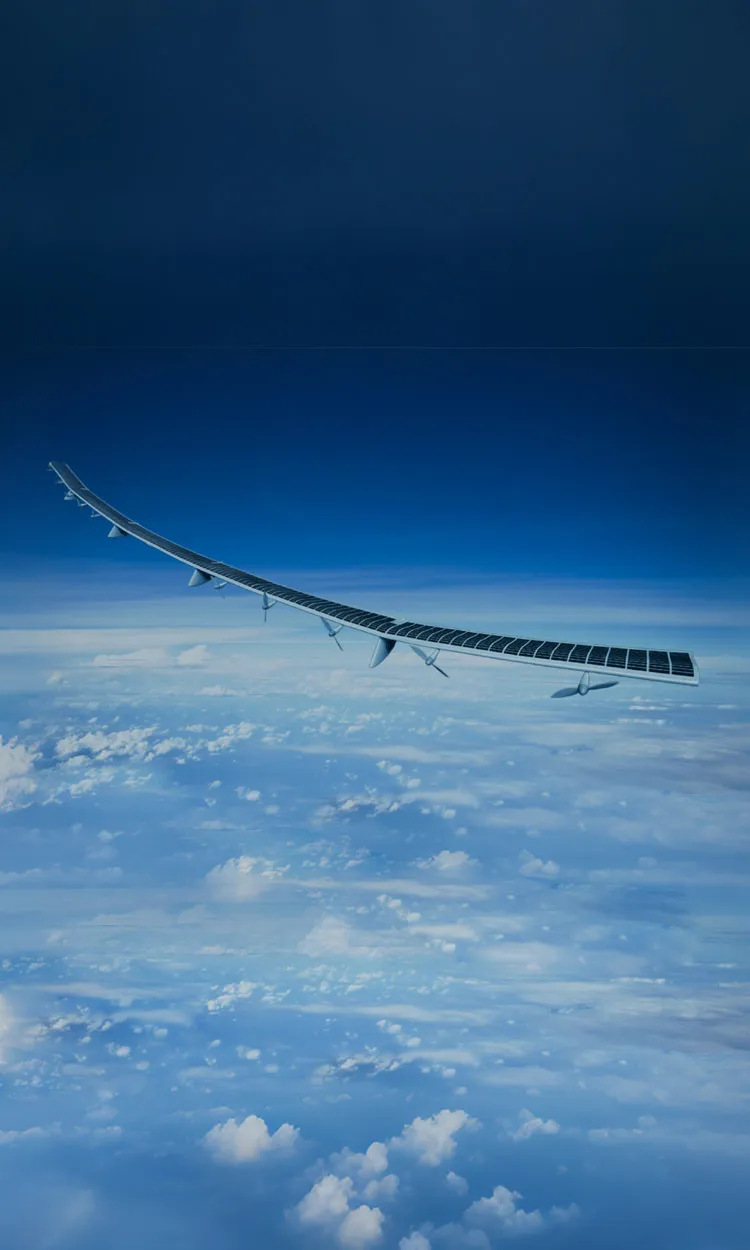
SoftBank's HAPS high-altitude stratospheric drones use Enpower's lithium metal battery technology.
In 2020, SoftBank sought battery suppliers globally for its stratospheric drones (HAPS), requiring an energy density exceeding 400Wh/kg, a cycle life exceeding 400 cycles, and stable operation at -40°C. After a global supplier performance comparison, EnPower was ultimately selected. In 2021, the company's lithium metal battery technology passed SoftBank's stringent testing, achieving an energy density exceeding 400Wh/kg and stable operation even in extreme environments down to -70°C, ultimately becoming the first energy solution for its high-altitude communication drones. In 2024, SoftBank's "Sunglider" drone, equipped with EnPower's quasi-solid-state batteries, successfully completed its test flight. In 2025, EnPower continued its technological iterations, developing lithium metal battery technology with an energy density of up to 525Wh/kg for SoftBank's stratospheric drones, with plans for commercial application in 2026.
Specifications
FLEET 3.5Ah
Energy density: 420Wh/kg
High voltage platform: 3.84V
High-rate continuous discharge: 5C
Applicable temperature range: -20~50℃
Cycle life: >400C @ 0.2C / 0.5C
FLEET 9.7Ah
Energy density: 430Wh/kg
High voltage platform: 3.84V
High-rate continuous discharge: 5C
Applicable temperature range: -20~50℃
Cycle life: >400C @ 0.2C / 0.5C
FLEET 13.3Ah
Energy density: 500Wh/kg
High voltage platform: 3.84V
High-rate continuous discharge: 2C
Applicable temperature range: -20~50℃
Cycle life: >150C @ 0.2C / 0.5C
Interested in our record-breaking batteries?
We'd love to hear from you!
Privacy Statement

Enquiry